
A Beginner's Guide to Immunity
A Beginner’s Guide to Immunity
Category: Fitness
If you’ve ever started a new workout routine, you probably swore you’d “hang in there” until you felt stronger. When it comes to the immune system, most of us hang in there until we get sick. In this guide, I’ll walk you through the fundamentals of building a resilient immune system-no jargon, just practical steps, a touch of science, and a few personal stories from my own health journey.
1. Know What Your Body’s Already Doing
Before we dive into what you can add to your routine, you need to peek inside the “engine” that’s already in motion. Your immune system is a sprawling network of cells, tissues, and molecules that patrol your body like an elite security detail. So the first step: get honest with yourself on how you’re currently fueling that security.
During my first attempt at weightlifting, I hit a plateau-no gains, frequent sore throats. A quick Google search led me to the realization that my diet was the weak link: low on veggies, high on processed carbs. Fixing that didn’t just improve my recovery-it dramatically cut the number of colds I caught that season. Your diet can swing your immunity tone quickly.
2. Bite‑Sized Nutrition Hacks
a. Color the Plate
A diet saturated with colorful vegetables delivers not just antioxidants but also fleeting bursts of vitamins that support immune cells. I swapped my usual mid‑week burgers for a spinach‑turmeric poke bowl. Besides tasting delicious, the bowl became a visual reminder that I’m feeding the right kind of fuel.
b. Fermented Foods for Gut Immunity
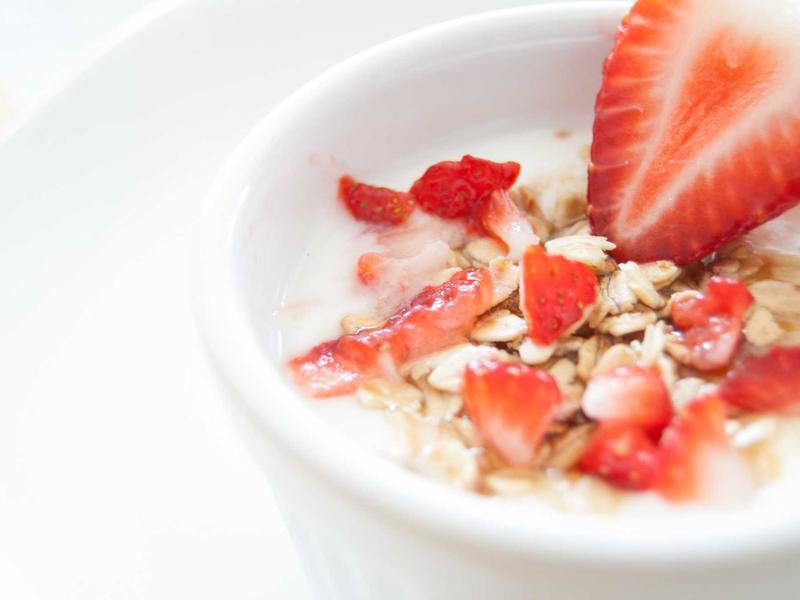
The gut houses 70 % of your immune cells. Fermented goodies like kimchi, kefir, or kombucha add beneficial bacteria, improving gut barrier function. I added a spoonful of kefir to my morning smoothie and noticed my digestion steadied-and my sore throat days clipped in half over the next three months.
c. Consistent Hydration
Water didn’t show up on my plate; it was on my desk. Dehydration can shrink the mucous membranes that line our respiratory fending line. I now keep a glass at my desk that I top off every hour. A simple drip of water can keep a sniffle from turning into a lingering bug.
3. Move Your Body, Not Just Your Muscles
a. Low‑Intensity Steady‑State (LISS)
The secret to immune health isn’t high‑intensity interval training every night (though the burn is great for cardio). LISS, such as brisk walking, cycling, or light swimming for 30–45 minutes, increases circulation without overtaxing your endocrine system.
b. Strength with Sprint
Every week, I slot in a 4‑min heavy‑lift session. Compound lifts-squats, deadlifts, bench presses-go on a big (yet recoverable) hormonal surge that sends a signal to the immune cells. The synergy between muscular load and endocrine response makes that gym sweat especially charming for immunity.
4. Sleep – Your Silent Partner
You may think you can skip a night or two on the gossip, but the body’s repair crew works only when you’re shut down. During the height of my suburban “balanced diet” experiment, I singled out sleep. A power nap that night left me more caffeinated at the gym. Over weeks, sleep became my most reliable footnote: 7–8 hrs per night lowers inflammation markers and lifts my resilience.
5. Stress is a Machine-Not a Monster
Here’s a quirky anecdote: When I started working from home, my email inbox blew up. The weight of constant “urgent” turned my immune fire into a smoking smolder.
Mindful Minutes – a 5‑minute breathing exercise before lunch reset my stress sensors. Micro‑breaks-every 30 mins, stand, stretch, glance up-fired the endorphin system. My immune support between 1‑month training sessions was noticeably smoother: fewer office “wanders” with sore throats and lower overall fatigue.
6. Boost from the Outside: Simple Supplements
Beyond a well‑balanced plate, I armed my pantry with a few humble helpers:
- Vitamin D3-sunlight is great, but winter makes it a sub‑optimal vitamin D source. Daily 2000 IU kept my cystic calcium stores solid and my infection risk low.
- Zinc-a thirty-second chew before bedtime helped restore my throat after nights of heavy lifting.
- Probiotic-Xylac fermented oats-made wellness tastier and added friendly microbes to my gut.
These are not miracles but building blocks that keep your immune system humming when life splashes your schedule with unexpected challenges.
7. Check Your Baseline, Not Your Ideal
At the beginning of my journey, I did a quick health kit: blood panel for vitamin D, zinc, CRP (a marker of inflammation). That served as a benchmark. Over the next five months, the numbers nudged in the healthier direction. Monitoring isn’t about boasting; it is a way to make adjustments before the minor bug festers into a major apocalypse.
Takeaway
Immunity isn’t a single secret potion. It’s an ecosystem of diet, movement, sleep, stress management, and culture-including those tiny fermented foods your grandma’s kitchen always had. Start with one change-maybe swap your afternoon coffee for a green smoothie-witness the transformation, then layer in the next tweak. The cumulative effect is a stronger gut, more efficient cell patrol, and a lesser applause for seasonal ailments.
You’re already helping your immune system. Keep your curiosity alive, stay consistent, and enjoy the quiet soundtrack of a body that’s ready for whatever comes your way.
