
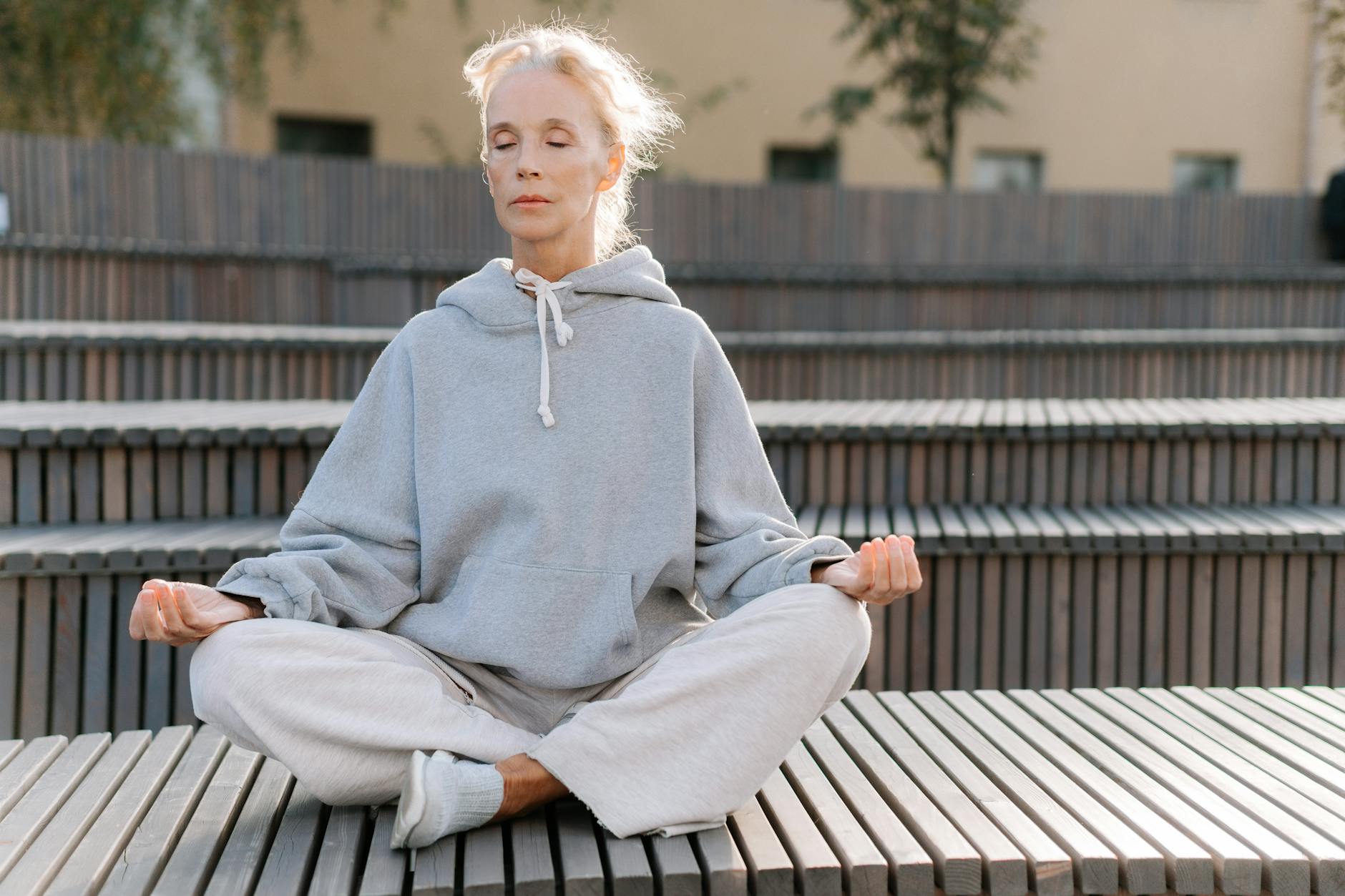
7 Breathwork Techniques That Instantly Reduce Anxiety
Why This Actually Matters
There’s no shortage of advice about breathwork techniques. The internet will happily serve you seventeen listicles before lunch. But most of them miss the mechanism - the reason the technique actually works - and that’s exactly what separates something you try once from something you use for the rest of your life.
Below is what I’ve tested, kept, and actually recommend. Each one is backed by a reason, not just a claim.
1. The Physiological Sigh
What it is: A double inhale through the nose (sniff, then a shorter sniff on top) followed by a long, slow exhale through the mouth.
Why it works: The double inhale re-inflates collapsed air sacs in the lungs and triggers the parasympathetic nervous system - your “rest and digest” gear - faster than almost any other breath pattern.
Use it when: You’re mid-panic or pre-presentation. Takes 30 seconds. Works instantly.
The Lumen device pairs well with breath tracking if you want objective CO₂ data.
2. Box Breathing (4-4-4-4)
What it is: Inhale 4 counts → hold 4 → exhale 4 → hold 4. Repeat 4–6 cycles.
Why it works: Used by Navy SEALs and surgeons. The equal-ratio pattern balances O₂/CO₂ and reduces cortisol without requiring any gear.
Use it when: Before sleep, before a difficult conversation, or as a pre-workout nervous system primer.
3. 4-7-8 Breathing
What it is: Inhale 4 → hold 7 → exhale 8. The extended hold is the key variable.
Why it works: The prolonged oxygen hold slightly elevates CO₂ tolerance, which trains your body to stay calm even when CO₂ rises - the actual trigger for the panic response.
Use it when: Bedtime. This one is specifically good for sleep onset.
4. Alternate Nostril Breathing (Nadi Shodhana)
What it is: Using your thumb and ring finger to alternately close one nostril while breathing through the other.
Why it works: Research from the International Journal of Yoga shows this technique balances left/right brain hemisphere activity and reduces perceived stress markers.
Use it when: Midday reset between work blocks. Takes 5 minutes and leaves you clear-headed.
5. Resonance Breathing (5.5 Breaths/Minute)
What it is: Breathe in for 5.5 seconds, out for 5.5 seconds. Repeat.
Why it works: Creates heart rate variability coherence - the sweet spot where your HRV oscillates in sync with your breath. This is the breathwork equivalent of tuning an instrument.
Use it when: Morning practice or as a 10-minute focus primer. Pair with an HRV monitor like the Polar H10 for real-time feedback.
6. Humming Breath (Bhramari)
What it is: Inhale fully, then hum on the exhale - a steady “mmmm” for the entire out-breath.
Why it works: Humming produces nitric oxide in the nasal cavity, which is a vasodilator and plays a direct role in reducing anxiety and lowering blood pressure.
Use it when: Whenever you’re overstimulated. It feels silly the first time. By the third, you’ll understand.
7. Cold + Breath Combo (Wim Hof Method Lite)
What it is: 30 power breaths → exhale and hold → recovery inhale. Followed by a cold shower.
Why it works: The hyperventilation phase temporarily alkalizes the blood, allowing you to tolerate the cold and the stress that comes with it - and building a more resilient baseline over time.
Use it when: Morning. Not before driving or submerged in water. Seriously.
⚠️ Always practice breath retention only in a safe, grounded position.
The Bottom Line
You don’t need to practice all seven. Pick two that match when you actually feel stressed - one for acute moments (physiological sigh, box breathing) and one for daily maintenance (resonance breathing, 4-7-8). Stack them into existing anchors in your day: before coffee, before lunch, before sleep.
The science is solid. The time commitment is under 10 minutes a day. The ceiling on the benefits is genuinely high. Start today.
