
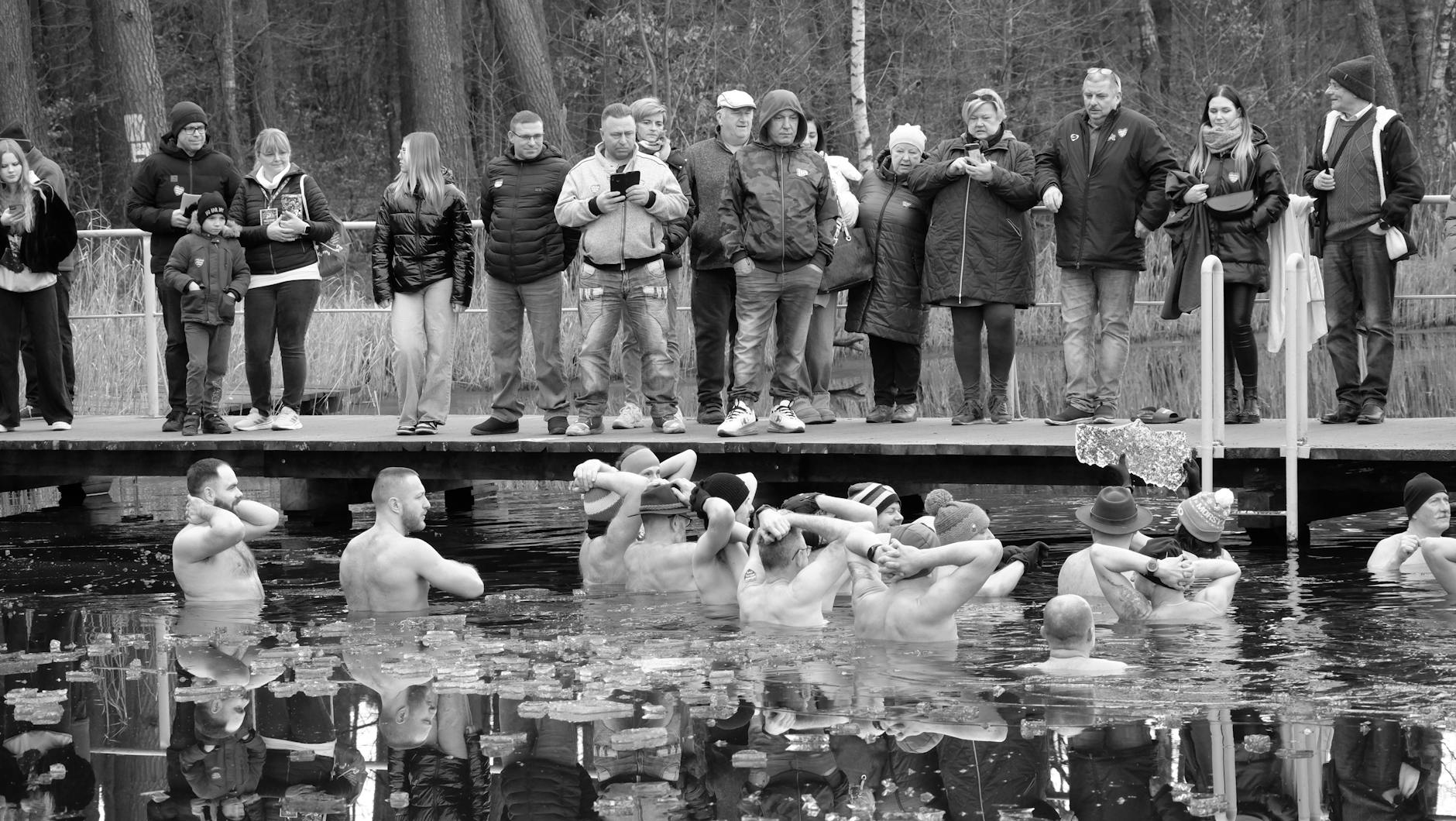
Cold Plunges vs. Saunas: Which Recovery Method Actually Wins?
The Setup
Both have celebrity endorsements. Both have passionate communities. Both have a legitimate research base. And if you’ve spent more than 10 minutes in wellness circles, you’ve encountered someone who swears by one of them - and has strong opinions about the other.
The question isn’t which one sounds better. It’s which one actually delivers on specific goals - and for which type of person.
Let’s run the comparison properly.
What We’re Actually Comparing
For clarity:
Cold Plunge / Cold Immersion: Water temperature of 50–59°F (10–15°C), duration typically 2–10 minutes. Most protocols involve full or near-full body immersion.
Sauna (Finnish/Dry Heat): Temperature of 176–212°F (80–100°C), duration 15–30 minutes. Traditional Finnish dry sauna is the most studied variant.
Both are forms of hormetic stress - controlled exposure to an acute stressor that triggers an adaptive biological response. The mechanisms are different. The downstream effects overlap in some areas and diverge sharply in others.
Head-to-Head: 6 Dimensions
1. Cardiovascular Health
Sauna: ✅ Strong The evidence here is exceptional. A 20-year Finnish study of 2,315 men found that sauna use 4–7x/week reduced cardiovascular disease mortality by 50% compared to once-weekly users. Mechanism: heat stress produces nitric oxide, dilates blood vessels, and creates a cardiovascular training stimulus similar to mild aerobic exercise.
Cold Plunge: ⚠️ Moderate Cold immersion acutely increases blood pressure and heart rate, which some researchers worry may be counterproductive for those with existing cardiovascular conditions. Long-term CV benefits are less established than sauna. More research needed.
Winner: Sauna (by a significant margin for CV outcomes)
2. Athletic Recovery
Sauna: ⚠️ Nuanced Post-exercise heat exposure increases growth hormone and may accelerate glycogen replenishment. However, there is evidence that heavy sauna sessions immediately post-strength training may blunt some muscular adaptations.
Cold Plunge: ✅ Effective (with caveats) Cold immediately post-exercise reduces delayed onset muscle soreness (DOMS) and speeds perceived recovery. However - and this is important - research now strongly suggests that cold immediately after strength training blunts hypertrophy signaling (the mTOR pathway). Timing matters enormously.
Winner: Cold Plunge for endurance recovery / Sauna wins for strength athletes
3. Mental Health & Mood
Sauna: ✅ Strong Heat stress releases dynorphins (which paradoxically make you feel good afterward), beta-endorphins, and increases brain-derived neurotrophic factor (BDNF). Regular sauna use correlates with reduced depression and anxiety in several population studies.
Cold Plunge: ✅ Strong Cold immersion triggers a massive norepinephrine release (up to 300% increase sustained for hours). Norepinephrine is a key mood and focus regulator. Users consistently report elevated mood, sharper focus, and reduced anxiety for 4–6 hours post-plunge.
Winner: Tie - different mechanisms, similar outcomes
4. Sleep Quality
Sauna: ✅ Excellent (with timing) Evening sauna use raises core body temperature, then triggers a compensatory drop - which mimics the natural temperature drop during sleep onset. Many users report deeper, faster sleep when sauna is used 2–3 hours before bed.
Cold Plunge: ⚠️ Timing-Dependent Morning cold plunge: excellent for alertness and circadian rhythm setting. Evening cold plunge: may delay sleep due to the norepinephrine spike and temperature recovery requirement.
Winner: Sauna (especially for evening use)
5. Immune Function
Sauna: ✅ Evidence-Backed Regular heat exposure increases white blood cell count and may reduce frequency of upper respiratory infections. Finnish studies show 4+ sessions/week correlates with significantly fewer sick days.
Cold Plunge: ✅ Evidence-Backed Cold exposure also activates the immune system, particularly through increases in cytotoxic T-cells. The Wim Hof Method studies showed voluntary control of immune response, though this research is early-stage.
Winner: Tie - both support immune function via different pathways
6. Accessibility & Cost
Sauna: Home barrel saunas start at $3,000–8,000. Gym saunas are widely available. Time commitment: 15–30 minutes.
Cold Plunge: DIY options (chest freezer + thermometer) start around $300–400. Commercial units run $3,000–8,000+. Alternatively, cold showers are free.
Winner: Cold Plunge (more accessible entry points)
The Verdict
| Goal | Go With |
|---|---|
| Long-term cardiovascular health | 🏆 Sauna |
| Post-endurance recovery | 🏆 Cold Plunge |
| Post-strength training recovery | 🏆 Sauna (wait 24h for cold) |
| Mood & focus boost (immediate) | 🏆 Cold Plunge |
| Better sleep tonight | 🏆 Sauna |
| Mental resilience building | 🏆 Either (pick what you hate more) |
| Budget constraints | 🏆 Cold (DIY chest freezer) |
The honest answer: the best protocol uses both - contrast therapy (hot/cold alternating) shows additive benefits. But if you can only pick one, match it to your primary goal using the table above.
My Personal Practice
I use a sauna 1x/week (evening, 20 minutes at 185°F) and a cold plunge 1x/week (morning, 4 minutes at 52°F). They serve different functions in my recovery stack and I’ve never found them to conflict when timed correctly.
Start with whichever sounds more accessible to you. The best protocol is the one you’ll actually do consistently.
What’s your current practice? Sauna, cold plunge, or both? Let me know in the comments.
