
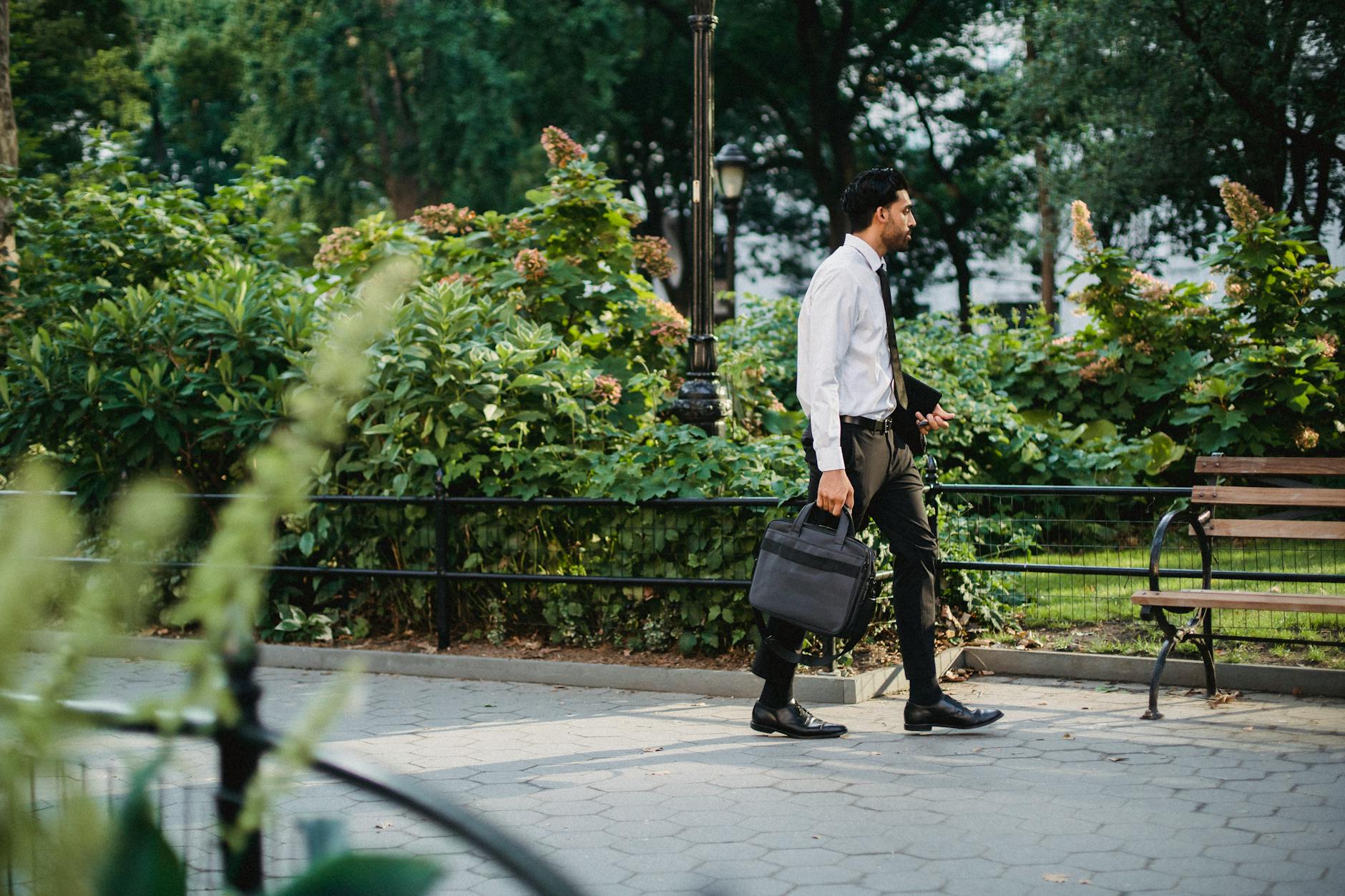
Walking Meetings: Why I Stopped Sitting Down to Think
The Meeting That Started Everything
I was in my third consecutive hour of back-to-back video calls when my colleague suggested we turn the next one into a walk. We both grabbed our phones, headed outside, and had what I still consider the best strategic conversation I can remember from that year. The ideas came faster. The decision came easier. We spent zero time on small talk.
That was eighteen months ago. I tried hard to avoid seated brainstorms or one-on-ones since.
What’s Actually Happening in Your Brain
The neurological case for walking meetings is surprisingly robust. Walking increases cerebral blood flow, raises norepinephrine levels (the neurotransmitter most linked to focus and creative problem-solving), and activates the default mode network - the brain’s “background processor” that generates novel connections.
A Stanford study found that walking increased creative output by 81% compared to sitting, and that the effect persisted for a short window even after sitting back down. The key insight: it doesn’t matter if you walk on a treadmill or outside. Both work. Outside is slightly better for mood; the treadmill is better when weather is a factor.
There’s also a power dynamics benefit that nobody puts in the research papers: walking meetings feel fundamentally more equal. No one is sitting at the head of a table. No one is framed by an impressive bookshelf. You’re just two people moving through space together, and that shift in physical context tends to shift conversational context too.
What Works and What Doesn’t
Best use cases for walking meetings:
- One-on-ones (any cadence)
- Brainstorms with one other person
- Difficult personal conversations (the parallel movement softens the face-to-face intensity)
- Thinking-out-loud sessions where you need to process, not decide
Poor use cases:
- Anything requiring shared documents, slides, or real-time collaboration
- Calls with more than two people (logistics fall apart fast)
- Decisions that need to be visually referenced
| Meeting Type | Sitting | Walking |
|---|---|---|
| One-on-one check-in | Works | Works better |
| Group presentation | Required | Doesn’t work |
| Creative brainstorm | Fine | Significantly better |
| Difficult conversation | Awkward | Easier |
| Document review | Required | Doesn’t work |
My Walking Meeting Protocol
After a lot of trial and error, here’s the setup that works for me:
Before:
- Set a clear 1–2 sentence agenda in the calendar invite. Walking meetings with no agenda drift worse than seated ones.
- Agree on duration. I default to 25 minutes (Pomodoro-style) or 45 minutes for longer sessions.
- Decide who’s responsible for any action items - capture them in a voice memo or quick note immediately after the walk.
During:
- One earbud only if using a phone. Two earbuds challenges your spatial awareness.
- Pick a loop route, not a linear one. You don’t want the awkward “who turns around first” problem.
- Let silences happen. The walk fills them differently than a room does.
After:
- Send a one-sentence recap with any action items within 10 minutes. The act of writing it while the walk is fresh is faster and more accurate than notes taken during.
The Objection I Hear Most
“My calls are all video.”
For true video calls, yes - this doesn’t work. But I’d push back on how many of those calls actually need to be video. Most one-on-ones are habit video calls, not necessity video calls. Switch them to audio-only and notice whether anything is actually lost. In my experience, the conversation quality improves - without cameras, people pace, move, and think instead of performing attentiveness for a lens.
If you manage people, the first walking meeting you try will feel slightly awkward. The second will feel normal. By the fifth you’ll wonder why conference rooms exist.
Start with your lowest-stakes recurring one-on-one this week. Walk it. Report back.
