
I Only Ate Whole Foods for 30 Days. Here's the Honest Report.
The Rule Was Simple. The Reality Was Not.
One rule: everything I ate for 30 days had to be a whole, single-ingredient food, or a combination of them prepared at home. No packages, no ingredient lists with more than one item, no restaurant meals where I couldn’t verify what was in them.
No “healthy” packaged snacks. No protein bars. No oat milk lattes (oat milk has additives). No technically-clean processed foods. Just food that was recognizably what it was: vegetables, fruits, meat, fish, eggs, legumes, grains, nuts, seeds, oils, spices, and water.
I expected to feel better. I didn’t expect the changes to be quite as specific as they were.
Why This Is Harder Than It Sounds in 2025
In the first week I discovered how many things I’d been eating that I thought were whole foods but weren’t: jarred pasta sauces, “clean” protein powders, flavored nuts, deli meats with fillers, store-bought guacamole with preservatives, mainstream nut butters with added sugar.
I wasn’t eating terribly before. By most measures I was eating better than average. But the ultra-processed food that was quietly slipping through added up to roughly 40% of my calories - the global average is around 60%, so I was below average. That still didn’t feel like something I could ignore after I actually looked at it.
The Grocery Shift
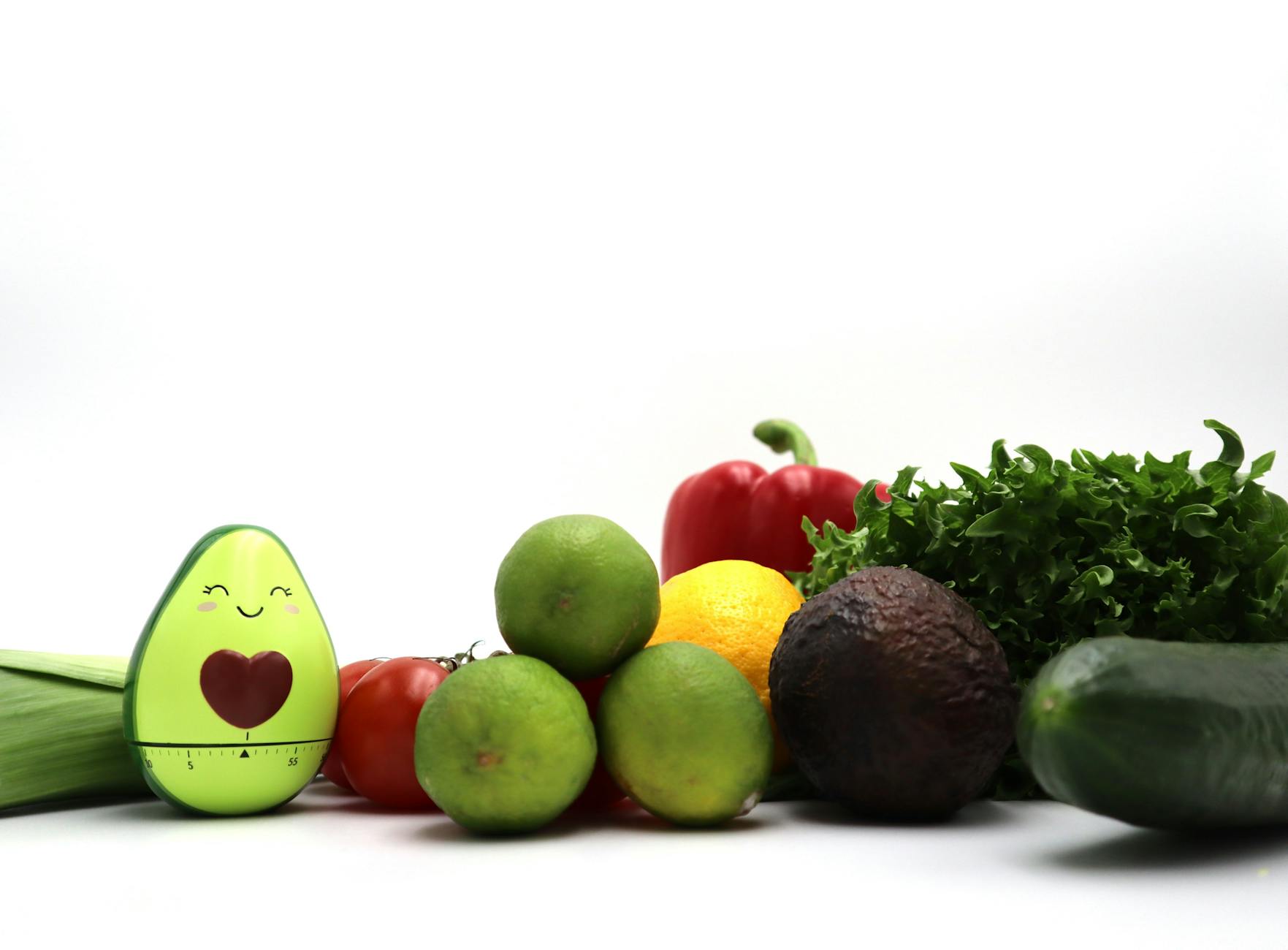
Week 1 grocery haul looked completely different from my baseline:
Proteins: chicken thighs, salmon, eggs, canned sardines, Greek yogurt (plain, whole milk), lentils
Carbs: rolled oats, brown rice, sweet potatoes, quinoa, whole grain sourdough (ingredient list: flour, water, salt)
Fats: olive oil, avocados, almonds, walnuts, eggs
Vegetables: whatever was fresh and cheap - in week 1: broccoli, spinach, bell peppers, zucchini, cherry tomatoes
Fruit: bananas, apples, blueberries, oranges
Total grocery spend for week 1: $94 for one person. Lower than my average week including restaurant meals and impulse purchases.
Weeks 1-2 Results
The good:
- Energy more consistent across the day - no 2-3pm crash, which I had previously attributed to work stress
- Digestion notably smoother within about 5 days
- Skin began clearing (this surprised me most; I hadn’t expected it)
The hard:
- Social eating became complicated - one restaurant dinner required interrogating the menu and ordering very minimally
- Prep time: roughly 45-60 extra minutes per day vs. my norm
- Week 1 days 3-4 I craved sugar intensely in a way that confirmed how much I’d been eating
Weeks 3-4 Results
By week three the prep had become routine. I knew my five base meals, could rotate them, and batch prep covered me 80% of the time.
The cravings for processed food dropped to near zero. More importantly, when I ate something sweet (fruit), it tasted genuinely sweet in a way it hadn’t before. The reference point for “sweet” had recalibrated.
End of 30 days - tracked metrics:
| Metric | Day 1 | Day 30 |
|---|---|---|
| Energy (1–10 average) | 5.8 | 7.3 |
| Digestion satisfaction (1–10) | 5.2 | 7.9 |
| Skin clarity (subjective) | 5 | 7.5 |
| Sleep quality (Oura score) | 73 | 81 |
| Bodyweight | 184 lbs | 179 lbs |
What I Kept After the 30 Days
Not the full strictness - that’s not a sustainable way to eat socially. But I kept:
- All snacking converted to whole foods (fruit, nuts, yogurt, hard-boiled eggs)
- Home cooking for 80%+ of meals
- Ingredient-list scrutiny on anything packaged - if I can’t pronounce 3+ ingredients, I put it back
- Protein powders out (eggs and Greek yogurt replaced them)
What I added back: restaurant meals ~2x per week making reasonable choices, occasional dark chocolate ≥72%.
The honest version: 30 days of strict whole foods is an excellent reset and a legitimate experiment. As a lifetime practice without any flexibility, it’s harder to maintain without social costs. The version that sticks is “as whole as possible, with clear eyes about when you’re making exceptions and why.”
That’s more useful than purity.
