
The $500 Home Gym That Beats a $100/Month Membership
The Math First
A $100/month gym membership costs $1,200 per year and $6,000 over five years - before factoring in commute time, which at 20 minutes round-trip twice a week adds up to 173 hours over five years.
A $500 home gym setup, used for five years, cost $100/year. No commute. No waiting for equipment. Available at 5am, at 9pm, at whatever time fits between your actual life.
The question isn’t whether a home gym is cheaper. It is, dramatically. The question is whether a $500 setup can deliver enough variety and intensity to produce real results. After 18 months of this, the answer is yes - with some specifics.
The Equipment That Actually Matters
The efficiency principle: free weights + a pull-up bar + a kettlebell covers 90% of what most gym programs require. Here’s the build list, prioritized by impact-to-cost ratio:
| Item | Price (approx) | Why It Earns Its Spot |
|---|---|---|
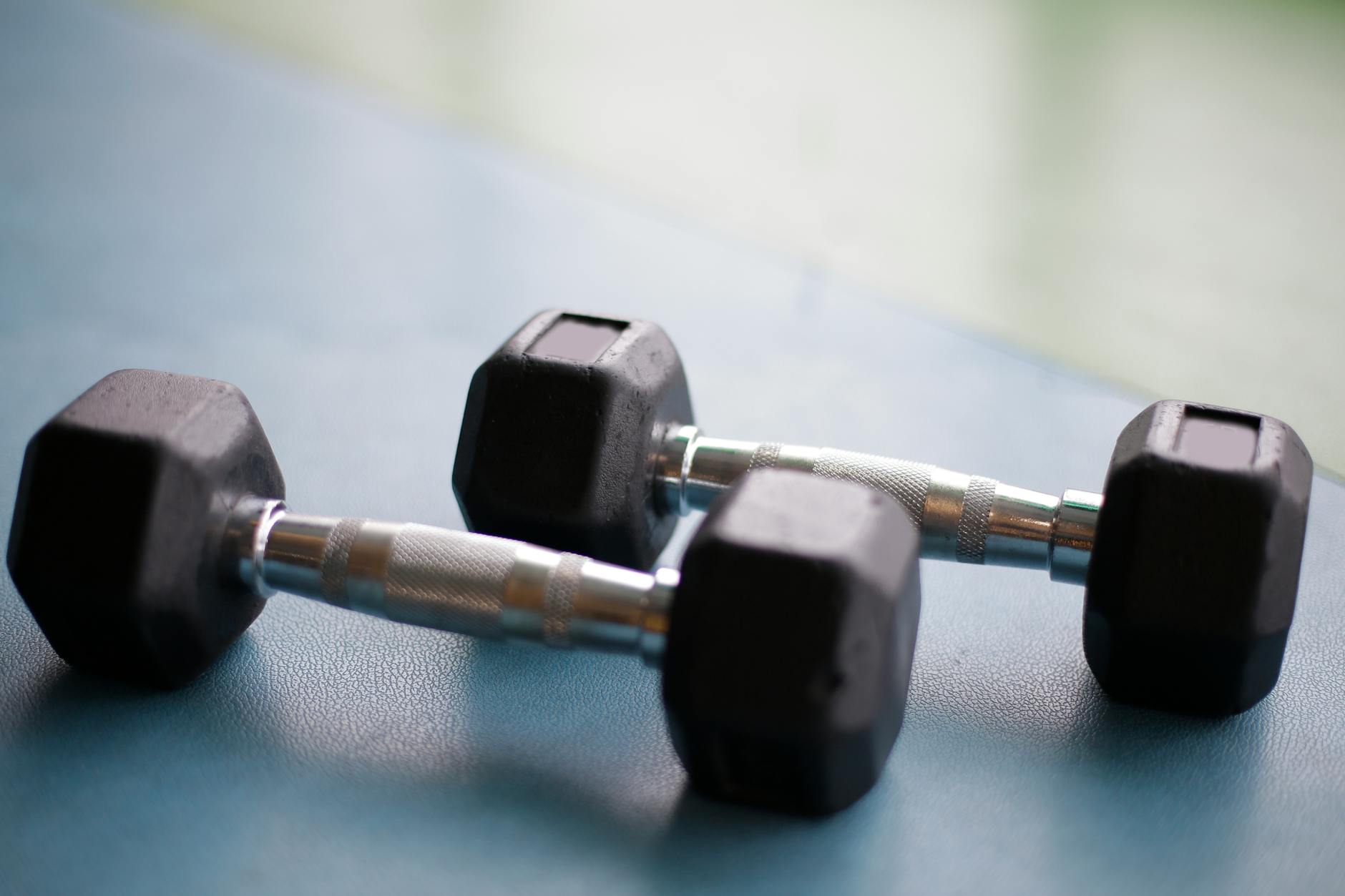
| Adjustable dumbbell set (5–50 lbs) | $180–220 | Replaces an entire rack; most exercises use them |
| Pull-up bar (door-mount) | $30–40 | Upper body pulling: essential, irreplaceable |
| Resistance bands set | $25–35 | Warm-up, activation, assistance, travel portability |
| Kettlebell 35 or 53 lbs | $50–70 | Swings, carries, goblet squats - unique metabolic demand |
| Yoga mat | $25–40 | Core, mobility, floor work |
| Adjustable bench | $100–150 | Incline/flat pressing - necessary for chest development |
| Total | $410–555 | - |
That’s the whole list. Anything beyond this is optimization for specific sports or preferences - it’s not necessary to build meaningful strength and fitness.
The Programs That Actually Work in a Home Gym
You don’t need machines. Machines are the gym’s solution to the problem of not having to teach members free weight technique. Free weights, done with reasonable technique, produce equal or superior muscle development with no mechanical substitutes required.
Programs that translate perfectly to this setup:
- GZCLP (linear progression, barbell-free version using dumbbells) - excellent for beginners
- Dumbbell PPL (Push/Pull/Legs, 3–6 days/week) - the most space-efficient intermediate program
- Kettlebell Simple & Sinister - single implement, elite conditioning, surprisingly comprehensive
All three are free online. None require a barbell.
What the Home Gym Can’t Replicate
Heavy barbell work. A squat rack and barbell are the gap. If powerlifting or very heavy compound lifting is your goal, a $500 setup isn’t enough and a gym membership for the barbell access specifically is justified.
Social environment. Some people train harder with other people around. If that’s you, the home gym will underperform regardless of equipment quality.
Variety for its own sake. 47 cable machine attachments aren’t necessary, but some people find them motivating. Motivation has real value.
What It Does Replicate Well
Everything else. Hypertrophy (muscle building), fat loss, conditioning, mobility, basic strength - all of this is fully achievable with the setup above. Three 45-minute sessions per week in a home gym with a good dumbbell program will produce better and faster results than three 45-minute gym sessions that include 15 minutes of commute, 5 minutes of changing, and 10 minutes of equipment-waiting.
The compounding advantage of zero friction is real. The home gym at 6:30am happens because the only barrier is walking to the other room. The gym membership at 6:30am doesn’t happen because the car and the commute and the parking lot are too much on the hard days - which are the days that actually matter for consistency.
Set it up once. Use it for five years. The math is obvious from there.
